
Artificial Intelligence (AI) is rapidly transforming healthcare, and nutrition is becoming one of its most exciting areas of innovation. From personalized diet recommendations to advanced gut microbiome analysis, AI is helping people understand how food affects their bodies. One area receiving increasing attention is gut health, which plays an essential role in digestion, immunity, metabolism and overall well-being.
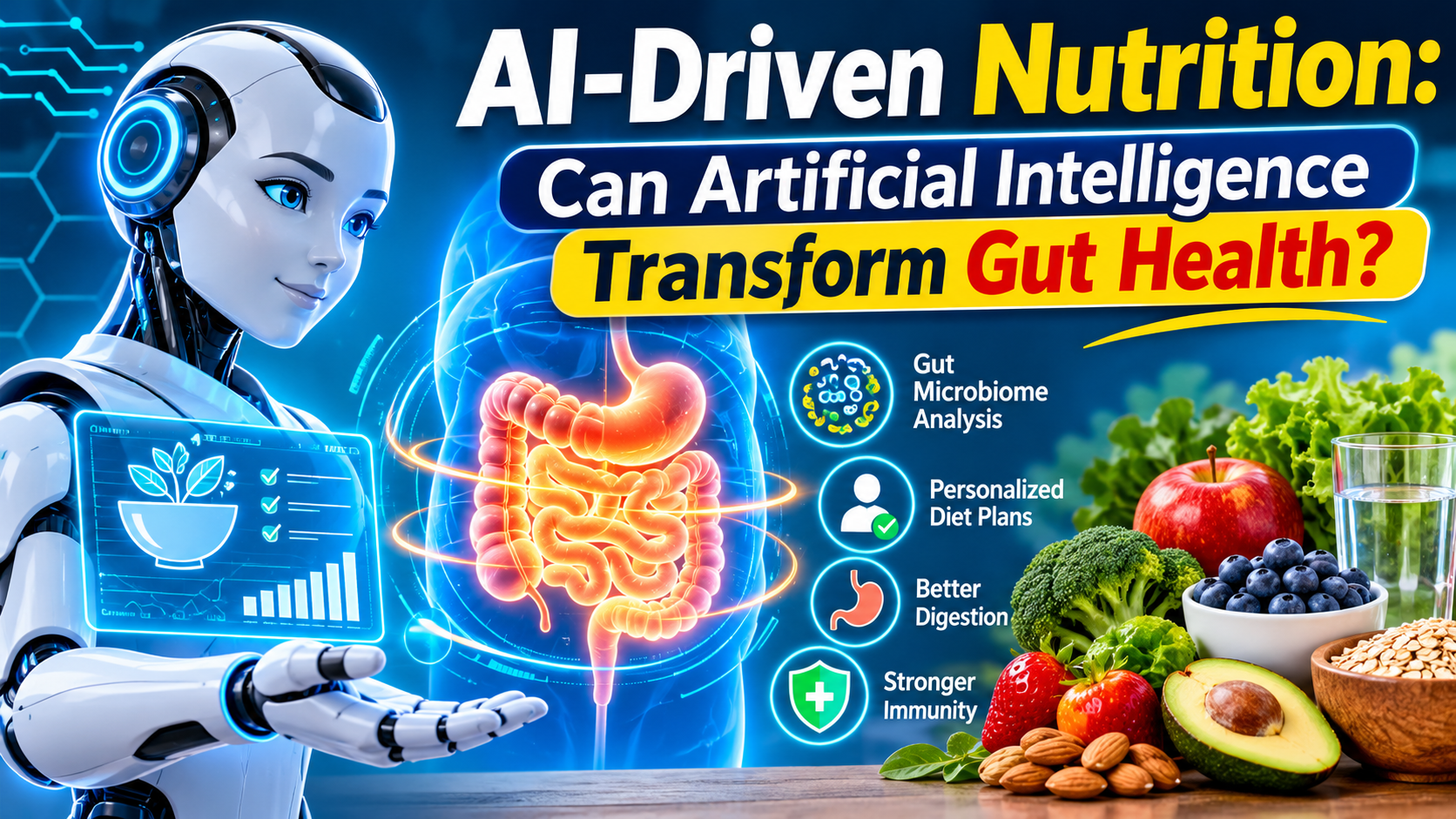
Traditionally, nutritional advice has followed a general approach, recommending similar dietary guidelines to everyone. However, every individual has a different digestive system, lifestyle, food tolerance and gut microbiome. AI-driven nutrition could change this approach by offering personalized dietary recommendations based on individual health information.
But can artificial intelligence truly transform the way we understand and maintain gut health?
Understanding the Connection Between AI and Gut Health
The human gut contains trillions of microorganisms, including bacteria, fungi and other microbes. Together, they form the gut microbiome, which contributes to digestion, nutrient absorption, immune function and other important biological processes.
An imbalance in these microorganisms, known as gut dysbiosis, has been associated with several health conditions.
AI can help researchers analyse complex microbiome data, dietary habits, lifestyle patterns and other health information. By identifying patterns that may be difficult to detect through traditional analysis, machine learning systems can support a deeper understanding of the relationship between food and gut health.
1. Personalized Nutrition Through Artificial Intelligence
One of the biggest advantages of AI-driven nutrition is personalization.
Different people can respond differently to the same food. For example, a meal that supports healthy digestion in one person may cause bloating or discomfort in another.
AI-powered nutrition platforms can analyse information such as:
-
Individual food preferences and eating habits.
-
Gut microbiome test results.
-
Physical activity and sleep patterns.
-
Food sensitivities and digestive symptoms.
-
Relevant health and lifestyle information.
Using this information, AI systems can suggest personalized meal plans, identify possible dietary patterns and recommend foods that may support digestive health.
This approach could help move nutrition beyond generalized diet charts towards more individualized recommendations.
2. AI and Gut Microbiome Analysis
Gut microbiome research generates enormous amounts of biological data. Analysing this information manually can be complicated and time-consuming.
AI and machine learning can help scientists process microbiome sequencing data, identify microbial patterns and investigate relationships between microorganisms and human health.
These technologies may help researchers better understand:
-
The diversity of gut bacteria.
-
Microorganisms associated with digestive functions.
-
Changes in the gut microbiome over time.
-
Potential relationships between diet and microbial balance.
Although microbiome testing is developing rapidly, its ability to predict individual health outcomes remains limited. More research and clinical validation are needed before these technologies can provide reliable personalized diagnoses.
3. Smart Food Recommendations for Better Digestion
AI-powered nutrition applications are making it easier to monitor daily food consumption and understand eating patterns.
By tracking meals, symptoms and nutritional intake, these applications can help users identify possible connections between specific foods and digestive discomfort.
For example, if someone regularly experiences bloating after consuming particular foods, an AI-powered application may identify a recurring pattern and suggest discussing potential food intolerances with a healthcare professional.
AI can also encourage healthier eating habits by recommending:
-
Fibre-rich foods such as vegetables, fruits and whole grains.
-
Fermented foods such as yoghurt and other suitable probiotic foods.
-
Adequate water intake.
-
Balanced meals containing essential nutrients.
-
Greater dietary variety to support microbiome diversity.
However, AI recommendations should complement professional nutritional guidance rather than replace it.
4. Predicting Digestive Health Problems
Another promising application of artificial intelligence is predictive health analysis.
By examining large datasets, AI models may help researchers identify patterns associated with certain digestive conditions. These insights could contribute to earlier risk assessment and support the development of more targeted healthcare strategies.
In the future, AI-assisted systems may help monitor changes in digestive symptoms, identify unusual patterns and encourage people to seek medical advice when necessary.
However, AI cannot independently confirm conditions such as irritable bowel syndrome (IBS), inflammatory bowel disease (IBD) or other gastrointestinal disorders. Medical evaluation remains essential.
5. The Role of Wearable Technology and Nutrition Apps
The combination of AI, wearable devices and nutrition applications could make personalized healthcare more accessible.
Smartwatches and fitness trackers can collect information about physical activity, sleep and other health indicators. When combined with food diaries and relevant health information, AI systems may identify lifestyle patterns that influence digestive well-being.
For instance, users may discover how irregular meal timings, poor sleep or changes in physical activity coincide with digestive discomfort.
This combination of technology could encourage people to take a more active role in managing their everyday health.
Challenges and Limitations of AI-Driven Nutrition
Despite its potential, AI-driven nutrition faces several important challenges.
1. Data accuracy: AI recommendations depend on the quality of the information provided. Inaccurate food diaries or incomplete health records can produce misleading suggestions.
2. Privacy concerns: Personal dietary information, microbiome data and health records require strong privacy and security protections.
3. Scientific limitations: The gut microbiome is complex, and researchers are still discovering how different microorganisms interact with diet and human health.
4. Overdependence on technology: AI-generated recommendations should not replace qualified dietitians, nutritionists or medical professionals.
5. Accessibility: Advanced microbiome testing and personalized nutrition services may remain expensive or unavailable to many people.
Addressing these challenges will be essential for making AI-driven nutrition safe, reliable and accessible.
The Future of AI-Powered Gut Health
The future of nutrition may involve a closer partnership between artificial intelligence, microbiome science and preventive healthcare.
As research advances, AI could help develop increasingly sophisticated nutrition systems that consider individual dietary responses, microbiome characteristics, lifestyle habits and health goals.
Researchers may also explore how AI can support precision nutrition, helping people make more informed food choices based on their individual biological characteristics.
However, the success of this transformation will depend on scientific evidence, clinical validation, responsible data use and collaboration between technology developers and healthcare professionals.
Conclusion
Artificial intelligence has the potential to reshape the future of nutrition by making dietary recommendations more personalized, data-driven and accessible. Its ability to analyse complex gut microbiome information and identify dietary patterns could open new opportunities for improving digestive health.
Nevertheless, AI is not a magic solution for every gut-related problem. A balanced diet, adequate hydration, regular physical activity, sufficient sleep and professional medical guidance remain essential.
Ultimately, the combination of human expertise and artificial intelligence could create a smarter approach to nutrition, helping individuals understand their gut health and make better-informed lifestyle decisions.