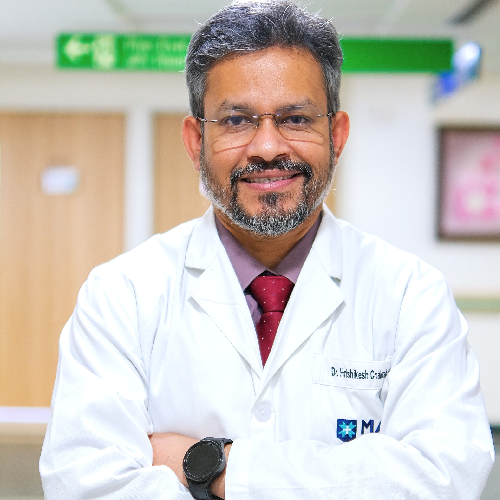
Dibrugarh, Mar 27: With increasingly sedentary lifestyles, long hours at desks, and age-related wear and tear, spine-related disorders such as slipped discs, spinal stenosis, nerve compression, and sciatica are becoming more common, often affecting mobility and overall quality of life. Addressing this growing concern, Max Super Speciality Hospital is highlighting the benefits of Minimally Invasive Spine Surgery (MISS), also known as keyhole neuro-spine surgery, which is offering patients a faster, safer, and more effective path to recovery. According to Dr. Hrishikesh Chakrabartty, Associate Director Neurosurgery, Max Hospital Vaishali, symptoms such as persistent neck or back pain, tingling or numbness in the limbs, difficulty in standing or walking, sharp radiating pain, or weakness should not be ignored, especially if they continue for more than two weeks or interfere with daily life.
“Persistent back or neck pain, tingling sensations, weakness in limbs, or difficulty in walking should not be ignored. If these symptoms continue for more than two weeks, it is important to consult a neuro-spine specialist. Timely intervention can prevent complications and often avoids the need for extensive surgery,” said Dr. Chakrabartty. He further explained that Minimally Invasive Spine Surgery represents a significant advancement over traditional open spine procedures, which typically involve large incisions, greater muscle damage, and longer recovery periods. MISS, on the other hand, uses small incisions along with advanced technologies such as endoscopy, neuro-navigation, imaging guidance, and robotics to enhance precision while minimizing trauma to surrounding tissues.
“Minimally invasive techniques allow us to treat complex spine conditions with greater precision and significantly less damage to surrounding tissues. Most patients experience less pain after surgery, quicker recovery, and can return to their normal routine much sooner,” he added. This approach is now being effectively used to treat a wide range of spine conditions, including herniated discs, degenerative disc disease, spinal stenosis, scoliosis, and cervical and lumbar spine disorders, with procedures like discectomy, decompression, and spinal fusion being performed through minimally invasive methods. Patients increasingly prefer this technique due to its multiple benefits, including reduced post-operative pain, minimal scarring, lower risk of infection, early mobility, and shorter hospital stays.
While advanced treatments are now available, experts emphasize that prevention remains equally important. Maintaining proper posture, taking regular breaks during long working hours, strengthening core muscles through exercise, using correct lifting techniques, and investing in ergonomic furniture can go a long way in protecting spine health. “You don’t have to live with chronic spine pain. With timely diagnosis and modern surgical options, reclaiming mobility and comfort is more achievable than ever,” concluded Dr. Chakrabartty, reinforcing the message that early intervention and awareness can significantly improve outcomes for patients dealing with spine-related issues.Dibrugarh : With increasingly sedentary lifestyles, long hours at desks, and age-related wear and tear, spine-related disorders such as slipped discs, spinal stenosis, nerve compression, and sciatica are becoming more common, often affecting mobility and overall quality of life. Addressing this growing concern, Max Super Speciality Hospital is highlighting the benefits of Minimally Invasive Spine Surgery (MISS), also known as keyhole neuro-spine surgery, which is offering patients a faster, safer, and more effective path to recovery. According to Dr. Hrishikesh Chakrabartty, Associate Director Neurosurgery, Max Hospital Vaishali, symptoms such as persistent neck or back pain, tingling or numbness in the limbs, difficulty in standing or walking, sharp radiating pain, or weakness should not be ignored, especially if they continue for more than two weeks or interfere with daily life.
“Persistent back or neck pain, tingling sensations, weakness in limbs, or difficulty in walking should not be ignored. If these symptoms continue for more than two weeks, it is important to consult a neuro-spine specialist. Timely intervention can prevent complications and often avoids the need for extensive surgery,” said Dr. Chakrabartty. He further explained that Minimally Invasive Spine Surgery represents a significant advancement over traditional open spine procedures, which typically involve large incisions, greater muscle damage, and longer recovery periods. MISS, on the other hand, uses small incisions along with advanced technologies such as endoscopy, neuro-navigation, imaging guidance, and robotics to enhance precision while minimizing trauma to surrounding tissues.
“Minimally invasive techniques allow us to treat complex spine conditions with greater precision and significantly less damage to surrounding tissues. Most patients experience less pain after surgery, quicker recovery, and can return to their normal routine much sooner,” he added. This approach is now being effectively used to treat a wide range of spine conditions, including herniated discs, degenerative disc disease, spinal stenosis, scoliosis, and cervical and lumbar spine disorders, with procedures like discectomy, decompression, and spinal fusion being performed through minimally invasive methods. Patients increasingly prefer this technique due to its multiple benefits, including reduced post-operative pain, minimal scarring, lower risk of infection, early mobility, and shorter hospital stays.
While advanced treatments are now available, experts emphasize that prevention remains equally important. Maintaining proper posture, taking regular breaks during long working hours, strengthening core muscles through exercise, using correct lifting techniques, and investing in ergonomic furniture can go a long way in protecting spine health. “You don’t have to live with chronic spine pain. With timely diagnosis and modern surgical options, reclaiming mobility and comfort is more achievable than ever,” concluded Dr. Chakrabartty, reinforcing the message that early intervention and awareness can significantly improve outcomes for patients dealing with spine-related issues.
